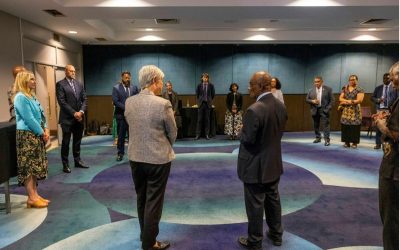
Vanuatu’s hopes for a stronger global response to climate change were left largely unfulfilled after COP30 concluded in Belém. The summit ended with what many Pacific observers described as an extremely weak outcome that failed to deliver the clarity and urgency that vulnerable island nations had sought. Vanuatu had entered the negotiations calling for faster, predictable and accessible climate finance, but the final agreement fell short of the commitments that were expected.
The summit did not produce a binding roadmap to move away from fossil fuels. More than eighty countries had argued for such a plan, yet the proposal was eventually reduced to two voluntary roadmaps that sat outside the formal COP agreement. For Vanuatu, which had repeatedly stressed the economic and social impact of climate change on its communities, this was a significant disappointment.
One of the few positive results from COP30 was a collective pledge to increase global adaptation finance to three times its current level by the year 2035. This commitment was welcomed by Pacific negotiators who had argued that adaptation funding was essential for building resilience in areas such as coastal protection, agriculture, water security and transport infrastructure. The agreement also included a new Just Transition Mechanism that aimed to support countries that were attempting to shift towards cleaner and more resilient economic models.
However, the absence of clear timelines, measurable targets and reliable financing mechanisms left many questions unanswered. Vanuatu’s delegation expressed concern that the commitments lacked the level of certainty required for effective planning. Climate Minister Ralph Regenvanu said the negotiations had been slowed by resistance from major fossil fuel producing nations that opposed stronger language on the phase down of oil, gas and coal. Negotiators from the Pacific region made it clear that this resistance had greatly diluted the ambition of the final agreement.
For countries like Vanuatu, the weak outcome has created additional economic uncertainty. Businesses operating in climate sensitive sectors such as tourism, agriculture and infrastructure continue to face rising insurance costs, disrupted supply chains and growing operational risks. Many of these challenges require immediate investment in resilience and long term planning, yet delays in climate finance threaten to slow progress.
In the wake of COP30, Vanuatu is expected to place greater emphasis on regional partnerships, bilateral agreements and national climate strategies. The country is likely to pursue more direct funding relationships and targeted investment programs in order to reduce reliance on slow and complex global climate finance processes. The government believes this approach will give communities more immediate support as they confront increasing climate pressures.