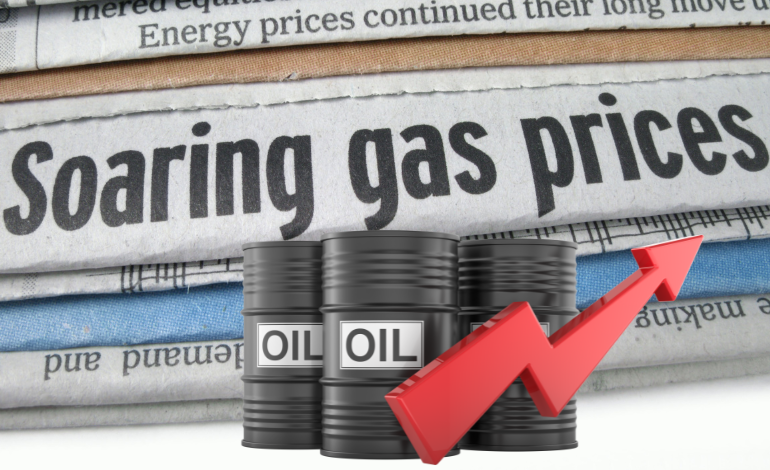
A sharp rise in global fuel prices through March and April 2026 is placing renewed pressure on Pacific island economies, highlighting long-standing structural vulnerabilities tied to import dependence, geographic isolation and narrow economic bases.
Across much of the region, fuel is not simply an input cost. It underpins transport, electricity generation, tourism logistics and supply chains. When prices rise, the effects are immediate and economy-wide.
In countries such as Samoa, Tonga and Solomon Islands, higher fuel costs are already flowing through to aviation, shipping and domestic transport. This has direct implications for tourism, which remains the primary economic driver for many of these economies. Higher airfares and operating costs for airlines and tour operators risk dampening visitor demand just as the sector is recovering.
In Samoa, where recent initiatives such as the Discover Samoa app and tourism roadshows are designed to stimulate visitor flows, rising fuel costs could offset gains by increasing the overall cost of travel and in-country movement. For small operators, particularly in accommodation and transport, margins are tightening as energy and logistics expenses climb.
Retail and informal sectors are also exposed. The expansion of activity at markets such as Fugalei, now operating 24 hours, depends on reliable and affordable transport for goods and vendors. Fuel price increases raise the cost of moving produce from rural areas into urban centres, potentially driving up food prices and reducing consumer purchasing power.
The impact is equally pronounced in infrastructure and development. Construction, logistics and project delivery costs are all fuel-intensive. With major infrastructure pipelines being promoted across the Pacific, higher input costs could delay timelines or require additional financing, placing pressure on both governments and development partners.
The situation underscores the urgency of energy transition efforts. Investments in solar, battery storage and off-grid systems, such as recent initiatives in Samoa, are not only climate measures but economic safeguards. Reducing reliance on imported fuel can stabilise costs and improve resilience over time.
For now, however, the fuel price surge is a reminder that Pacific economies remain highly exposed to global shocks. Managing this exposure will require a combination of short-term support measures and long-term structural shifts toward renewable energy, improved logistics and more diversified economic activity.