Construction has begun on a 212-room beachfront hotel in Nauru, marking a major expansion of the island country’s accommodation capacity and signalling ambitions to develop a larger tourism and business-visitor market.
President David Adeang launched construction of the development at Anabar with representatives of Japanese joint-venture partner Sakurajuji.
The project is being undertaken by Nauru’s Eigigu Holdings Corporation in partnership with Asia Medical Care Pte Ltd, a subsidiary of Japan’s Sakurajuji Group.
The development will occupy about 35 acres across two land portions and include approximately 230 metres of beachfront.
It will be built in three phases.
The first phase will provide 84 rooms, including a presidential suite, as well as conference facilities and two international-standard restaurants.
The second and third phases will each add another 64 rooms, taking total capacity to 212 rooms.
Phase One is scheduled to be operational by January 2027.
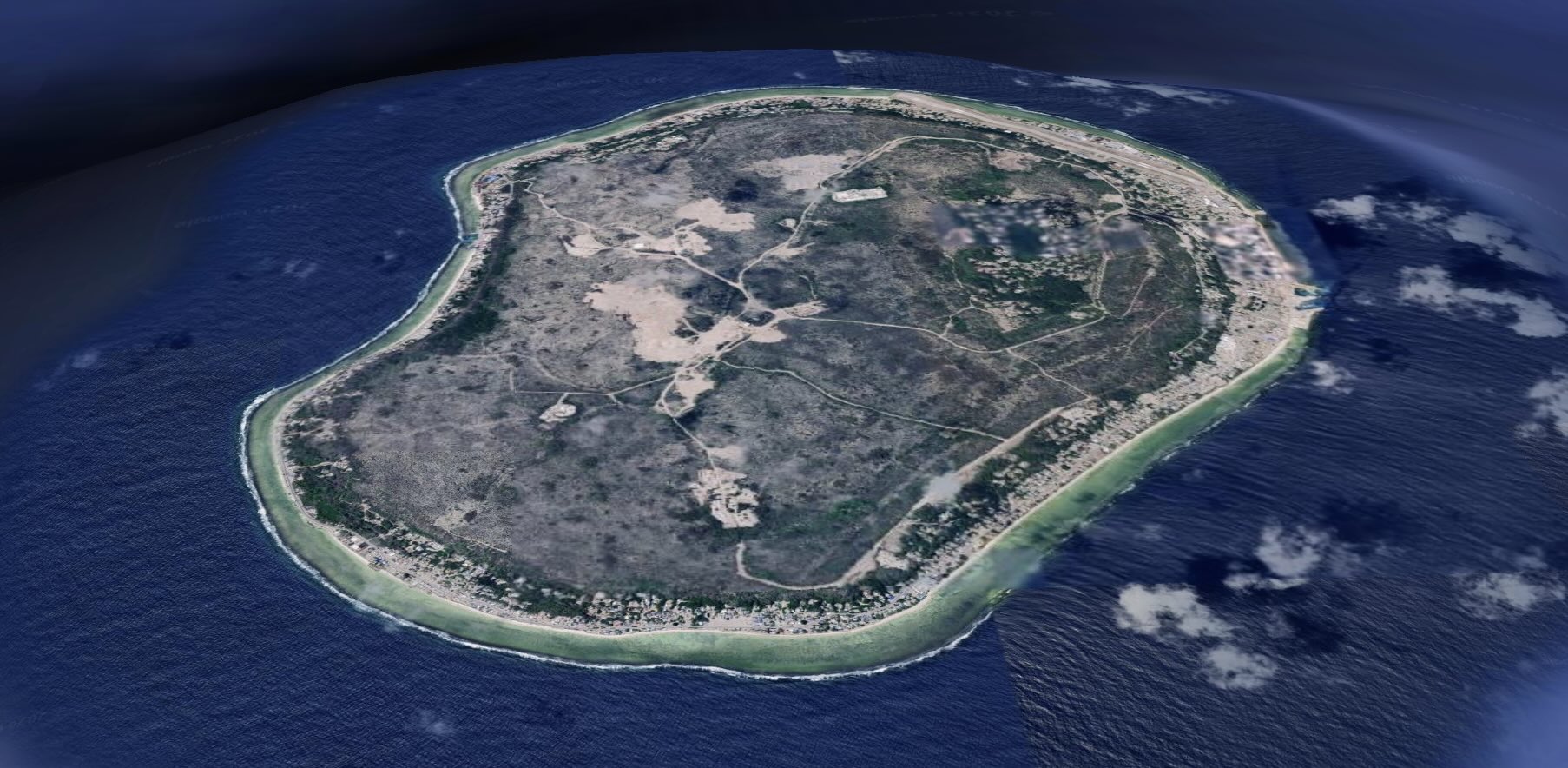
The project represents an unusually large accommodation investment for Nauru, a country of around 21 square kilometres with a relatively small visitor economy.
A five-storey building is planned using Mineral Composite Fiber-Reinforced materials, which project proponents say offer greater corrosion resistance and faster construction than conventional techniques.
That could have particular relevance in Pacific island conditions, where salt air and humidity can increase maintenance costs for buildings and infrastructure.
The developers say the material is expected to provide a lifespan of more than 150 years.
The hotel will also include an accessible rooftop area overlooking the coast.
For Nauru, the project could potentially serve several markets.
Apart from leisure visitors, demand for accommodation comes from government delegations, international organisations, contractors, consultants and visitors associated with fisheries, development projects and regional meetings.
The inclusion of conference facilities suggests the development is partly aimed at expanding Nauru’s ability to host larger meetings and events.
The investment also fits the Government’s broader effort to diversify an economy historically dependent on phosphate mining and more recently supported by fisheries revenue and other externally generated income.
A larger hotel sector could create opportunities for construction companies, transport operators, food suppliers and other local service businesses.
However, growing tourism will also depend on aviation capacity, destination marketing and the development of activities capable of encouraging visitors to stay.
The scale of the Anabar development makes it an important test of that strategy.
Rather than simply adding hotel rooms, the investment indicates an effort to create infrastructure capable of supporting a broader visitor, business and conference economy in Nauru.