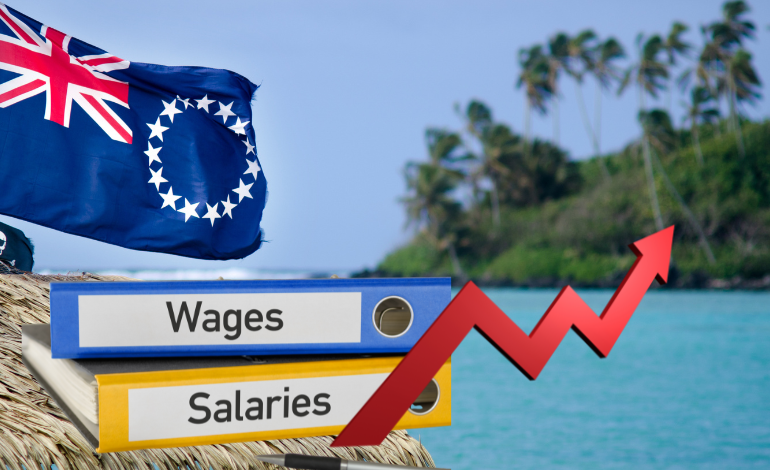
The Cook Islands will lift its minimum wage to $10.50 an hour from 1 July, giving workers some relief while raising concerns among employers about costs and prices.
The Cook Islands’ decision to raise the minimum wage from $10 to $10.50 an hour has triggered a debate about the balance between household relief and business survival.
Prime Minister Mark Brown announced the increase while presenting the 2026/27 National Budget. The new rate will take effect from 1 July 2026, giving low-paid workers a modest lift at a time when living costs remain under pressure.
For workers, the rise offers some relief, but several have argued that a 50-cent increase does not go far enough in an economy where food, rent, fuel and imported goods remain expensive. The Cook Islands’ heavy reliance on imports means global price movements are quickly felt by households.
For employers, the concern is different. Small businesses, tourism operators, retailers and hospitality firms are warning that even a modest wage rise adds to operating costs in a small, high-cost island economy. Some say they may have little choice but to pass the increase on through higher prices.
The debate reflects a wider challenge facing Pacific economies. Governments are under pressure to help workers cope with inflation, but businesses are also dealing with higher freight costs, staff shortages and limited scale. In small markets, wage decisions can affect prices, margins and hiring plans quickly.
The government has presented the increase as a measured adjustment. It gives workers some additional income while avoiding a sharper rise that could place heavier pressure on employers.
The issue is particularly sensitive because tourism remains central to the Cook Islands economy. Businesses need enough staff to support the sector, but they also need to remain competitive with other Pacific destinations.
The minimum wage debate is therefore not just about pay. It is about the wider structure of the Cook Islands economy, the cost of living, the cost of doing business and the pressure on small island states to keep both workers and employers afloat.