



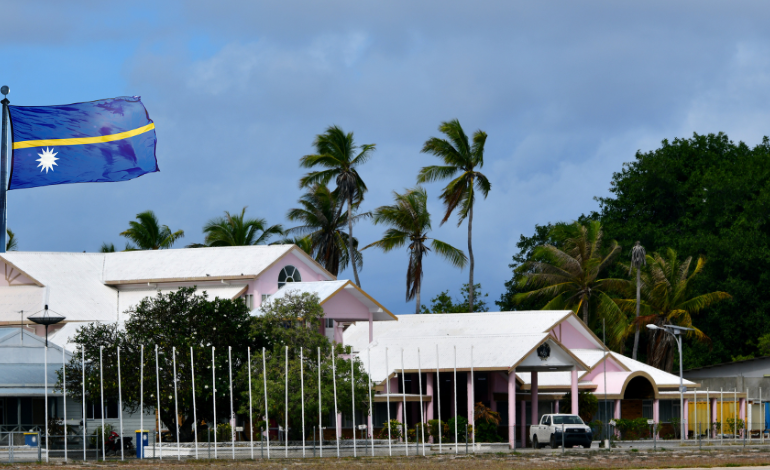
Nauru has rolled out its much-anticipated citizenship by investment programme as part of a broader strategy to diversify its economy and generate sustainable revenue streams. The scheme, officially named the Nauru Economic and Climate Resilience Citizenship Programme, invites foreign investors to secure citizenship in exchange for a financial contribution to national development and climate resilience efforts.
Under the programme, applicants must commit a minimum contribution in excess of USD130,000 per individual applicant, with scaled contributions available for families. Unlike many other citizenship-by-investment models worldwide, Nauru’s variant imposes no minimum stay requirement, allowing investors greater flexibility while also channeling funds into key national priorities.
 Government officials see the initiative as a dual vehicle for economic growth and climate adaptation financing. Nauru, one of the world’s smallest island states, faces acute risks from climate-related sea-level rise. Revenue from the programme is earmarked for bolstering climate resilience infrastructure and supporting sustainable development.
Critics of citizenship-for-investment schemes argue they can expose small nations to reputational risk if due diligence standards are not rigorous. Nauru’s government has sought to address these concerns by partnering with seasoned international advisers tasked with vetting applicants and managing programme integrity. The policy is viewed as a pragmatic response to structural economic constraints, including limited natural resources and a narrow tax base.
Business commentators suggest the initiative could transform Nauru’s economic profile by attracting liquidity and increasing engagement with global investors. Success in the initiative’s first year could see tens of millions of dollars flowing into the economy – a significant infusion for an island economy with fewer than 12 000 residents.
Early projections by programme administrators anticipate that the scheme could generate around AU$60 million in its first year, providing a substantial boost to national coffers and enabling long-term planning in areas from infrastructure to social services.

