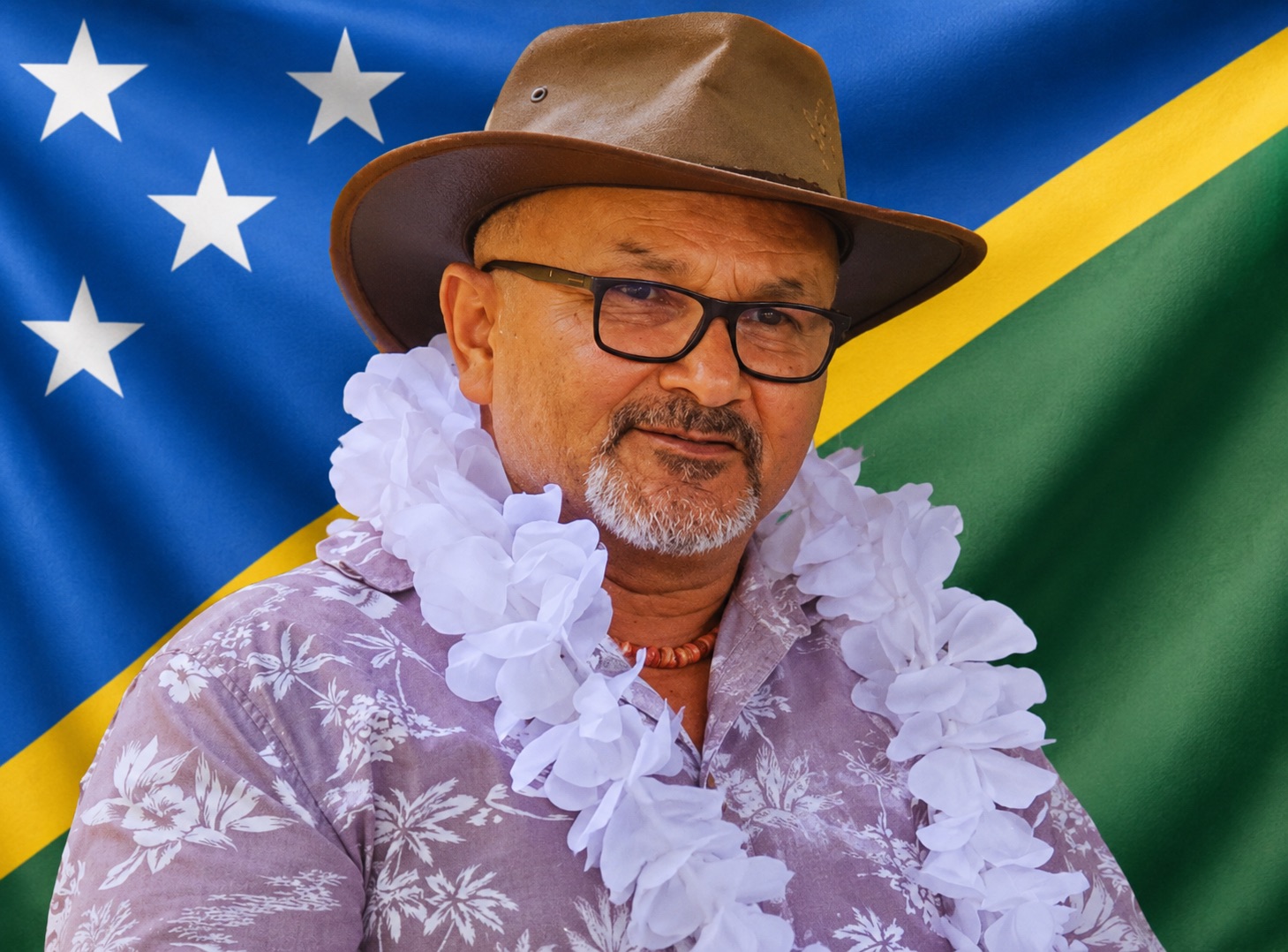
Former opposition leader Matthew Wale has been elected Prime Minister of Solomon Islands, succeeding Jeremiah Manele after a parliamentary vote on 15 May. Wale secured a 26-22 victory over former Foreign Minister Peter Shanel Agovaka following Manele’s removal in a vote of no confidence a week earlier.
A lawyer by training and one of the country’s longest-serving politicians, Wale has represented the Aoke/Langalanga constituency since 2008 and previously served as Leader of the Opposition. He has built a reputation as a strong advocate for government accountability, public sector reform and greater transparency in the management of natural resources.
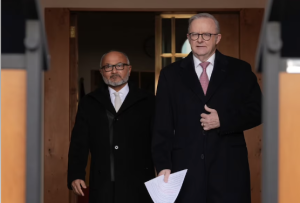
Australian PM Albanese with Solomons PM Wale in Canberra on June 3. Courtesy: ABC News
His election has attracted regional attention because of its potential implications for Solomon Islands’ foreign and economic relationships. While Wale has previously questioned aspects of the country’s 2022 security agreement with China, he has indicated that his government will pursue a pragmatic foreign policy and maintain relationships with all development partners. Analysts suggest any major shift is likely to be gradual rather than dramatic.
For business, investors and development partners, the immediate focus will be on political stability, economic management and the government’s approach to key sectors such as infrastructure, mining, fisheries and tourism. Wale has identified improved public services, stronger governance and economic opportunity as priorities for his administration.
His first overseas visit as Prime Minister was to Australia in early June, where both countries agreed to begin negotiations on a comprehensive bilateral treaty covering economic, development and security cooperation.
Australian Prime Minister Anthony Albanese said, “Prime Minister Wale’s decision to make Australia his first official international visit emphasises the importance of the relationship between our nations. Despite the global challenges we confront, we recognise we are stronger facing these together as partners.”