Pacific labour officials are seeking stronger worker protections as overseas employment schemes continue to expand across the region.
Labour mobility programmes remain one of the Pacific’s most important economic development tools, but regional leaders are increasingly focused on ensuring workers are protected as participation grows.
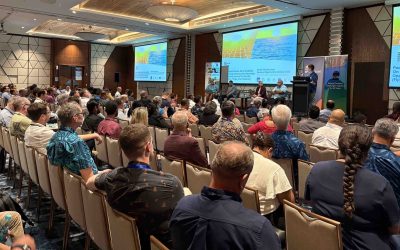
Senior labour officials from across the Pacific met in Nadi in May under the theme Designing our Destiny: A Just and Resilient Future of Work for the Blue Pacific. The discussions centred on balancing economic opportunities with worker welfare and fair recruitment practices.
Officials noted that labour mobility schemes have become major contributors to household incomes and national economies. Workers participating in programmes in Australia and New Zealand send significant remittances back to their home countries, supporting families, education and small business development.
However, labour leaders warned that expanding overseas employment pathways must be accompanied by stronger protections. Issues discussed included worker welfare, recruitment standards, skills development, reintegration support and safeguarding workers from exploitation.
Permanent Secretary for Employment Maritino Nemani said the discussions were particularly relevant as more Pacific Islanders seek employment opportunities abroad through formal labour mobility pathways.
Countries such as Tonga, Vanuatu, Samoa, Solomon Islands and Kiribati have all seen growing participation in seasonal worker and labour mobility schemes in recent years.
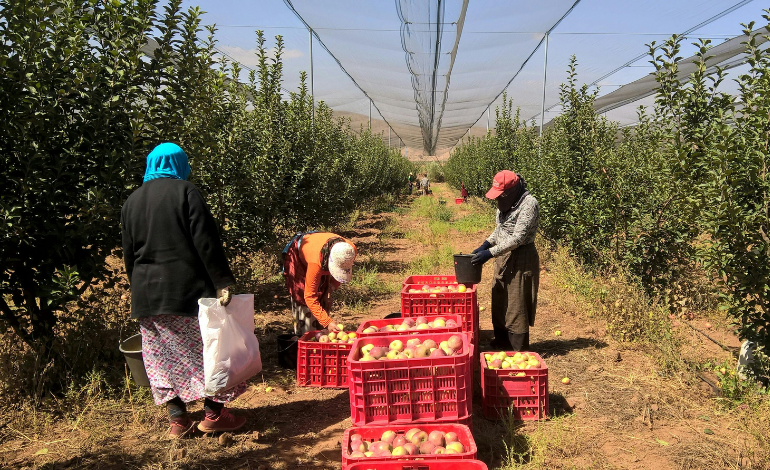
New Zealand’s Recognised Seasonal Employer programme and Australia’s Pacific Australia Labour Mobility scheme have become increasingly important sources of income for Pacific households. Beyond remittances, returning workers often bring new skills, business experience and savings that can be invested in local communities.
Development agencies have frequently described labour mobility as creating a “triple win” by benefiting workers, host countries and Pacific economies.
Yet officials acknowledged challenges remain. Some communities face labour shortages, particularly in agriculture and construction, while governments continue to explore ways to maximise the long-term benefits of labour migration.
The Nadi meeting concluded with a strong emphasis on ensuring labour mobility remains safe, fair and sustainable as demand for Pacific workers continues to grow.