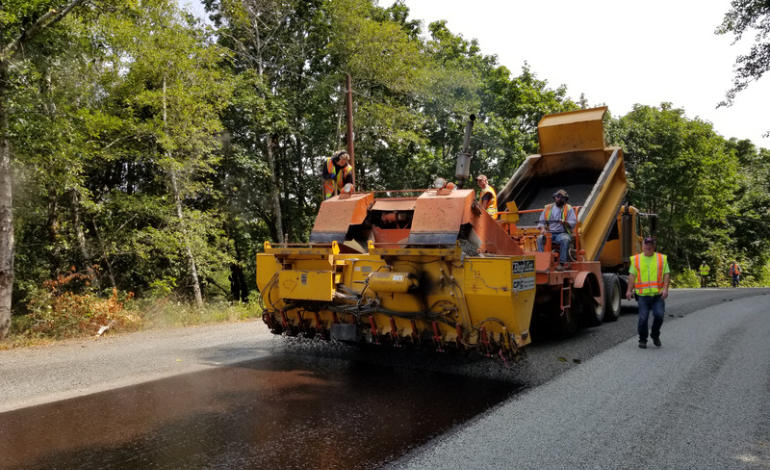
Australia has announced an additional SBD10 million in grant funding to upgrade roads in Solomon Islands’ Makira-Ulawa Province, extending a transport infrastructure programme that is creating opportunities for local contractors, suppliers and workers.
The funding, provided through the Solomon Islands National Transport Fund, will support improvements to the road network between Waita and Marou Bay in West Makira.
The initiative forms part of Australia’s continuing partnership with the Solomon Islands Government to improve transport connectivity, strengthen local infrastructure capabilities and encourage economic activity in rural communities.
A central feature of the program is its emphasis on ‘Solomonisation’, with infrastructure contracts and employment opportunities directed towards Solomon Islands businesses and workers.
Minister for Infrastructure Development Ricky Fuo’o said improving road networks was essential for connecting communities and supporting economic development.
He said roads provided critical links to schools, health facilities and markets, while investment in local contractors helped strengthen the domestic private sector.
The latest allocation follows Australia’s SBD100 million investment over the previous two years to upgrade 15 major roads in Honiara and Malaita.
According to the Australian High Commission, local companies have undertaken construction work under the programme, employing hundreds of Solomon Islanders and developing skills and equipment capacity.
Minister for Mines, Energy and Rural Electrification and Member for West Makira Derek Manu’ari welcomed the new funding, saying reliable road connections were essential for maintaining economic activity in the province.
Makira-Ulawa Premier Stanley Siapu said better roads would improve access to markets and public services while strengthening emergency and disaster response capabilities.
Australian High Commissioner Jeff Roach said the programme was helping Solomon Islands companies undertake increasingly complex infrastructure projects.
He said local businesses had invested in equipment, improved their capabilities and secured larger contracts as a result of their participation.
Earlier road improvements in Malaita have reportedly reduced travel times, increased safety and lowered transport costs for goods.
For rural producers and businesses, improved roads can reduce logistical costs and make it easier to transport agricultural products to markets.
The Makira-Ulawa investment demonstrates how infrastructure assistance can deliver economic benefits beyond construction, supporting domestic contractors, building workforce capabilities and improving the movement of people and goods.
Main image: Indicative stock picture